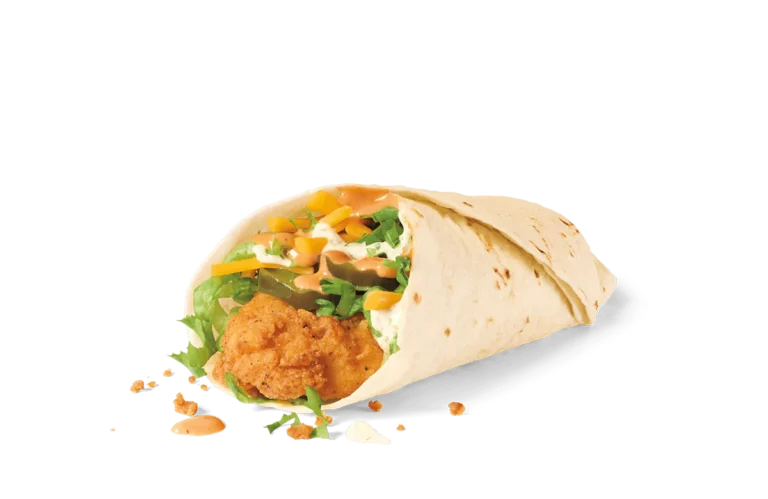
Fast food feels cheap in the moment. A combo meal here, a late-night order there—it doesn’t seem like a big deal. But when I actually calculated how much I was spending monthly at places like Jack in the Box, the number surprised me.
This isn’t about stopping fast food. It’s about understanding the real cost and how to manage it smartly.
If you eat out regularly, this breakdown might change how you look at your monthly food budget.
The Average Cost Per Visit
Let’s be realistic.
At most Jack in the Box locations in the U.S., you’ll typically spend:
- $8–$12 for a basic combo
- $12–$18 if you add extras or premium items
- $20+ for two people
Now multiply that by frequency.
Monthly Fast Food Spending (Realistic Example)
If someone eats there:
- 3 times per week
- Average spend: $14
That equals:
- $42 per week
- ~$168 per month
- Over $2,000 per year
That’s not small change anymore.
For families, this number can double or triple easily.
Fast Food vs Grocery Budget
Here’s a simple comparison:
| Category | Monthly Average |
|---|---|
| Frequent Fast Food | $150–$300 |
| Basic Grocery Plan | $250–$400 |
The difference? Groceries provide more meals per dollar. Fast food trades cost for convenience.
But convenience has a price.
How to Reduce Fast Food Costs Without Giving It Up
You don’t have to quit eating at Jack in the Box. Instead:
1. Set a Weekly Limit
Even limiting to twice per week saves hundreds annually.
2. Skip Add-Ons
Extras quietly increase the total:
- Upsized drinks
- Extra sides
- Desserts
3. Use Cashback Credit Cards (Responsibly)
Many U.S. credit cards offer:
- 2%–5% cashback on dining
- Rotating restaurant rewards
- Points for food purchases
If balances are paid in full, rewards reduce real cost over time.
Dining Rewards: Are They Worth It?
For regular fast food customers, dining reward cards can return:
- $10–$25 per month
- $120–$300 per year
That’s meaningful if used correctly.
However:
Carrying a balance with interest cancels out rewards completely.
Late-Night Spending Adds Up
One overlooked factor is late-night ordering.
Impulse purchases usually:
- Include premium items
- Skip value menu options
- Increase delivery fees
Delivery apps can add:
- Service fees
- Small order fees
- Tips
That $14 meal can easily become $22–$25.
Is Fast Food Hurting Your Budget?
It depends on frequency.
Occasional meals? No issue.
Routine habit? It becomes a financial pattern.
Over a decade, $2,000 per year equals $20,000.
That’s:
- A car down payment
- Emergency savings
- Investment capital
Smart Budget Strategy for Fast Food Fans
Here’s a balanced approach:
✔ Budget a fixed monthly amount
✔ Use dining rewards carefully
✔ Avoid delivery unless necessary
✔ Compare value menu vs combo deals
✔ Treat premium meals as occasional
This keeps enjoyment without long-term financial stress.
Frequently Asked Questions
Is eating at Jack in the Box expensive?
Individually, no. Repeated weekly visits increase the total significantly.
Are dining credit cards helpful?
Yes, if balances are paid off monthly.
Is delivery worth the extra fees?
Convenient—but costly over time.
Final Thoughts
Jack in the Box and similar fast-food restaurants are built for convenience and affordability. But like any spending category, frequency matters more than price.
The key isn’t elimination. It’s awareness.
Once you see the monthly numbers clearly, you naturally make smarter decisions—without giving up what you enjoy.