Eating out often feels like a small expense. A burger here, fries there—nothing that seems too serious. But when I actually sat down and reviewed my bank statements, I noticed something surprising: food spending adds up much faster than most people realize.
This article breaks down the real cost of eating out in the United States, including fast food, casual dining, and delivery orders. More importantly, it shows how these habits impact your monthly and yearly budget—and how you can manage them without giving up eating out completely.
Why Most People Underestimate Food Spending
When people create a budget, they usually focus on big expenses like rent, utilities, or car payments. Food spending—especially on fast food—often feels too small to worry about.
From personal experience, this is where the problem starts. Spending $9–$12 on a meal doesn’t seem like much, but when it happens several times a week, the total becomes significant by the end of the year.
Average Cost of Eating Out in the USA
Let’s look at realistic numbers based on common dining habits.
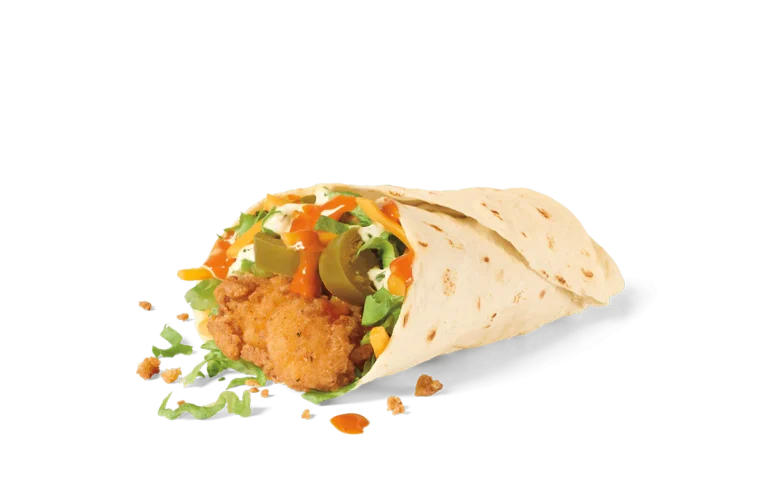
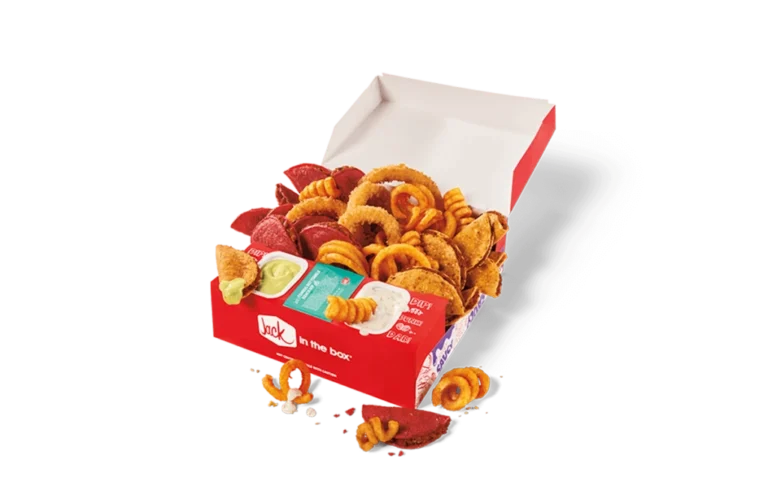
Fast Food Spending
- Average fast food meal: $9–$13
- Eating fast food 3 times per week: ~$30–$40
- Monthly total: ~$120–$160
- Yearly total: $1,400–$1,900
That’s just fast food.
Casual Restaurant Dining
- Average casual restaurant meal: $18–$25
- Dining out once per week: ~$75–$100 per month
- Yearly total: $900–$1,200
When you combine fast food and casual dining, many people spend $2,300 or more per year without noticing.
Hidden Costs That Increase Your Food Budget
The menu price is not the full story.
Drinks and Add-On s
- Large drinks
- Extra sauces
- Desserts
These small add-ons can increase your bill by 20–30% without you realizing it.
Delivery and Convenience Fees
Food delivery apps often include:
- Service fees
- Delivery charges
- Tips
A $12 meal can easily turn into a $20+ order.
Eating Out vs Cooking at Home (Cost Comparison)
| Category | Monthly Cost | Yearly Cost |
|---|---|---|
| Regular Eating Out | $140–$180 | $1,700+ |
| Home Cooking | $80–$100 | $1,000–$1,200 |
The difference can be $500–$700 per year, even without extreme lifestyle changes.
How Eating Out Impacts Your Finances Long-Term
Frequent dining out becomes even more expensive when:
- Purchases are made on credit cards
- Balances are not paid in full
- Spending is not tracked
Over time, interest charges can make food spending cost far more than the original meal prices. This is why financial experts recommend monitoring dining expenses carefully.
Smart Ways to Save Money While Eating Out
You don’t have to stop eating out—you just need to be more intentional.
1. Use Dining Rewards Credit Cards
Many credit cards offer cashback or points on restaurant purchases. Over a year, this can return hundreds of dollars in value.
2. Avoid Oversized Combos
Regular portions are often enough and significantly cheaper than large combo upgrades.
3. Use Restaurant Apps
Restaurant apps frequently offer:
- Exclusive discounts
- Free items with purchase
- Loyalty rewards
4. Track Your Monthly Food Spending
Even basic budgeting apps can reveal patterns and help reduce unnecessary expenses.
Is Fast Food Always a Bad Financial Choice?
Not necessarily.
Fast food becomes a problem when:
- It’s consumed too frequently
- Spending is ignored
- Credit card balances are carried month to month
Occasional fast food, when planned and budgeted, can fit into a healthy financial routine.
A Simple Real-World Example
If you buy fast food:
- 3 times per week
- At $10 per meal
That’s:
- $120 per month
- $1,440 per year
Reducing just one meal per week can save nearly $500 annually.
Frequently Asked Questions
Is eating out really that expensive?
Yes, especially when viewed on a yearly basis.
Do rewards credit cards actually help?
Yes, as long as balances are paid in full each month.
Is fast food cheaper than casual dining?
Usually yes, but higher frequency often cancels out the savings.
Final Thoughts
The issue with eating out isn’t the food itself—it’s lack of awareness. Once you understand how small expenses accumulate, it becomes much easier to enjoy meals out without damaging your budget.
Fast food and restaurants can still be part of your lifestyle—just not on autopilot.