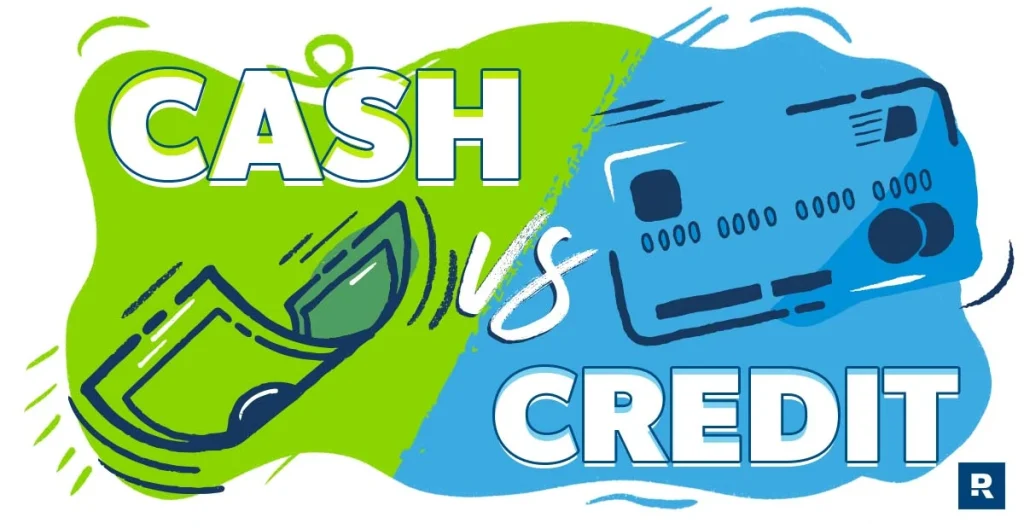
Eating out is part of daily life for many people—whether it’s grabbing a quick meal on a busy day or enjoying dinner with friends. But when it comes to saving money, the way you pay (cash vs credit cards) actually matters more than you might think.
I used to always pay with my card—mainly for convenience. But after tracking my spending and comparing costs, I learned some surprising truths about which payment method actually saves more in the long run.
Let’s break it down in simple, everyday language.
Why the Payment Method Matters
The cost of eating out isn’t just about the food on your plate—it’s also about:
✔ How much you spend overall
✔ Fees or lost savings you might not notice
✔ Rewards or penalties based on your spending habits
Whether you pay with cash or credit cards, there are real financial effects that come with each choice.
Paying with Cash: What You Actually Save
📉 1. You Spend Less When You Physically Hand Over Money
There’s something psychological about seeing money leave your hand — it makes you think twice before buying that extra drink or dessert.
With cash:
- You’re less likely to overspend
- You control your budget better
- You avoid interest charges completely
From personal experience, paying with cash makes you more mindful—and that alone helps you save more over time.
💰 2. No Risk of Interest or Debt
Credit cards are amazing, but if you ever carry a balance, interest can sneak up on you.
With cash:
- There’s no interest
- No late fees
- No debt buildup
This makes cash a very safe and low-cost option — especially for meals you enjoy frequently.
⚠️ Drawbacks of Cash
Of course, cash isn’t perfect.
- You miss out on cashback or rewards
- You can lose cash easily
- Most apps and online orders don’t accept it
So while cash helps you control spending, it doesn’t give extra perks.
Credit Cards: How They Help You Save (When Used Correctly)
Credit cards might feel like spending money you don’t have—but when used smartly, they actually save money in ways cash can’t.
💸 1. Cashback and Rewards
Many credit cards offer:
- 3%–5% cashback on dining
- Bonus points on restaurants
- Rewards redeemable for travel or statement credits
If you pay your balance in full every month, these rewards literally save you money on future purchases.
From my own experience, a good rewards card has put hundreds back in my pocket — just from regular dining out.
📲 2. Convenience and Safety
Credit cards make life easy:
- Easy app tracking
- Fraud protection
- Contactless payments
All of this helps you avoid mistakes or fraud that you might face with cash.
⚠️ 3. The Pitfall: Interest and Fees
Here’s where things get tricky:
If you ever carry a balance,
- Interest charges kick in
- Rewards don’t matter because interest eats them
- You might pay more than you think
That’s why credit cards only save money if you pay the full balance every month.
Side-by-Side Comparison
| Feature | Cash | Credit Card |
|---|---|---|
| Dining Rewards | ❌ | ✔ Yes |
| Budget Control | ✔ Strong | ⚠ Depends |
| Interest Risk | ❌ | ✔ If balance carried |
| Convenience | ⚠ Depends | ✔ Easy |
| Fraud Protection | ❌ | ✔ Yes |
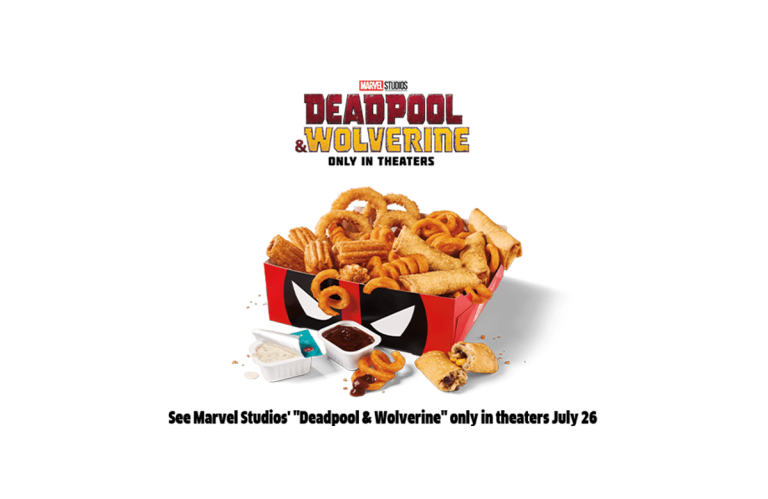
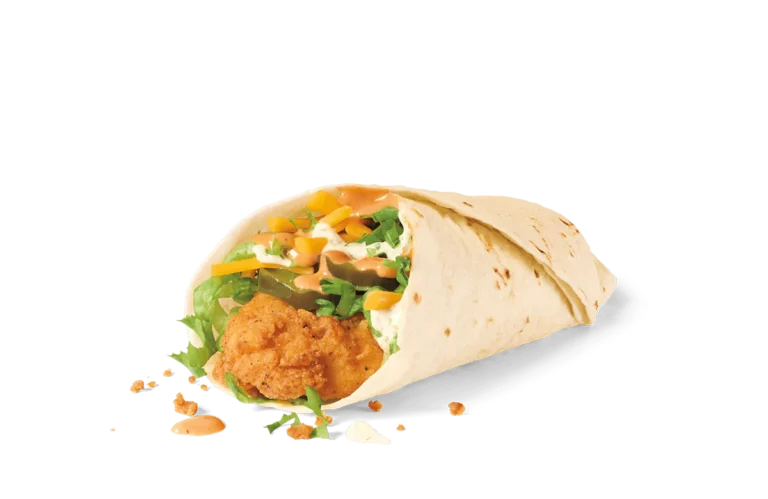
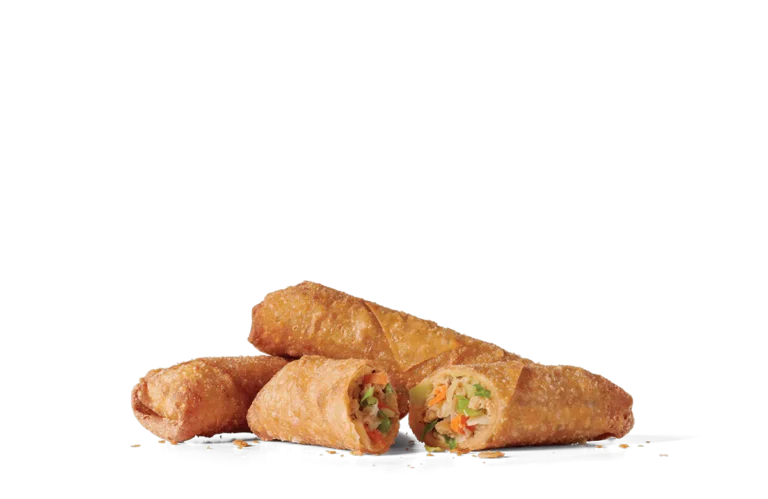
Real Example: Fast Food Spending
Say you spend:
➡️ $12 per meal
➡️ 3 times a week
= $36 per week
= ~$150 per month
If You Pay With Cash
You spend exactly $150.
No fees, no interest, no aftermath cost.
If You Pay With Credit Card (and Pay in Full)
You get rewards—let’s say 3% back:
💰 $150 x 3% = $4.50 saved
Over a year:
💰 $4.50 x 12 = ~$54 saved
If You Pay With Credit Card (and Carry a Balance)
Interest can be more than rewards—sometimes $50–$100 extra depending on your interest rate.
That’s why rewards only count if you pay in full.
So Which One Actually Saves More?
✔ Use CASH If:
- You tend to overspend with cards
- You want strict budget control
- You don’t care about rewards
Cash keeps you grounded and honest with your budget.
✔ Use CREDIT CARD If:
- You always pay full balance
- Do you want dining rewards or cash back?
- You use restaurant apps often
Cards give you free savings—but only if used responsibly.
Practical Tips for Making Payments Work for You
🟢 Always Pay Dining Charges in Full
Never carry a balance from month to month.
🟢 Pair Cash and Cards Smartly
Use cash for everyday meals and cards for bigger dining occasions where you earn rewards.
🟢 Track Your Spending
Even a simple app can show you how much you really spend eating out.
Frequently Asked Questions
Which payment method is best for fast food savings?
Credit cards—if you pay the balance in full each month.
Is cash better for budgeting?
Yes—cash helps limit overspending.
Do rewards cards really make a difference?
Yes—long-term rewards add up if you never carry a balance.
Final Thoughts
The choice between cash and credit cards isn’t black and white. Both can save you money—but how you use them matters a lot.
Cash keeps spending in check.
Credit cards earn rewards when used responsibly.
The smartest strategy?
Use both—but use them with awareness.